



How long can a human survive without water?
The 3-day rule, the warning signs of dehydration and the keys to staying hydrated every day.
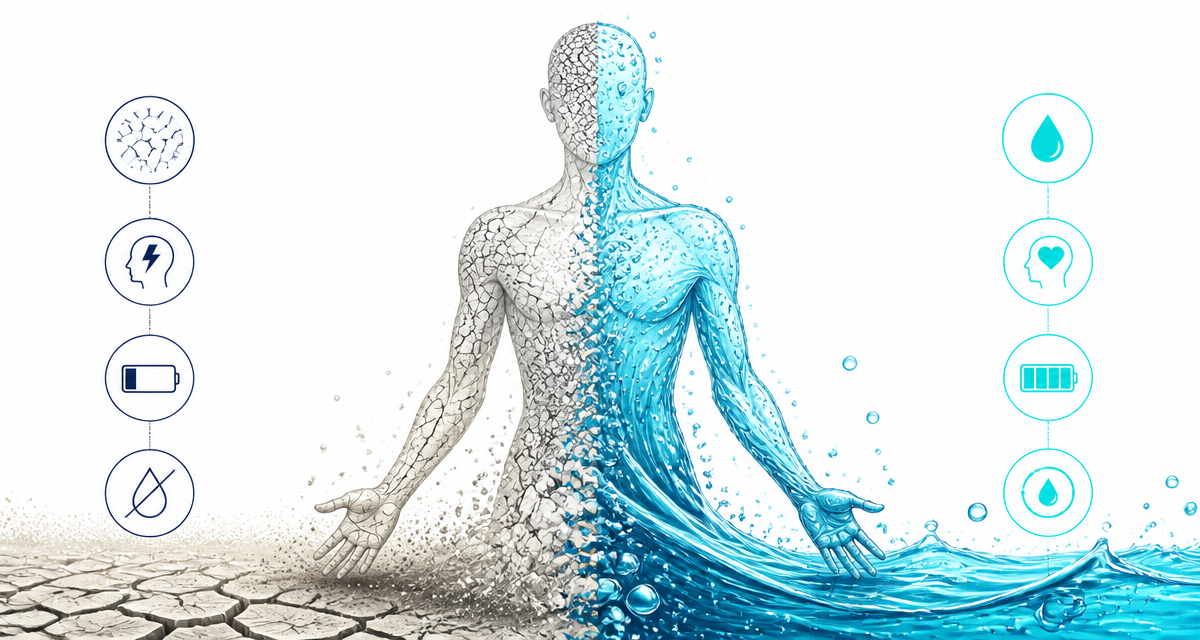
Water accounts for around 60% of an adult's body weight. Every cell, organ and muscle needs it to function. Without fluid intake, the body gradually dries out, then weakens until certain vital organs shut down. The question "how long can a human survive without water?" comes up often, whether out of medical curiosity or in the context of hiking, extreme heat or survival situations.
The 3-day rule: a variable reality
A simple rule is often remembered: a human being can survive around 3 days without water. But this figure is only an average. In reality, it can range from a few hours to several days depending on conditions.
For example, a person exposed to 35°C in full sun while physically active may develop severe dehydration within 24 to 48 hours. Conversely, someone who is sedentary, in cool conditions and partially fasting (consuming a little water through food) can hold out for longer.
The factors that influence survival without water
Several variables affect the body's resistance to lack of water:
- Temperature and humidity : heat and dry air speed up water loss through sweating.
- Physical activity : exercise, walking or manual labour increase losses through sweat.
- Age and state of health : infants, older people and those with chronic illnesses (diabetes, kidney failure) are more vulnerable.
- Diet : fruit, vegetables and liquid foods provide a little water, unlike dry and salty foods.
- Body weight : the larger someone's build, the greater their water needs.
The signs of dehydration, from mild to severe
Dehydration does not always show up as intense thirst. Here is how it generally progresses:
- Early stage : thirst, dry mouth and lips, dark yellow urine, slight fatigue.
- Moderate : headaches, dizziness, drop in blood pressure, increased heart rate, reduced urine output.
- Severe : confusion, drop in blood pressure, loss of consciousness, kidney failure. This is a medical emergency.
Key point : thirst is a late warning sign. Drinking regularly, before you feel thirsty, is the best prevention.
How much water should you drink a day to avoid dehydration?
According to the recommendations of the French food safety agency ANSES, an adult should consume around 2.5 to 3 liters of water a day in total, of which 1.5 to 2 liters in the form of drinks. This amount increases with heat, exercise, fever or pregnancy.
Drinking plain water is the basis, but when you sweat heavily, water alone does not make up for the loss of mineral salts. That is where electrolytes come in: sodium, potassium, magnesium and calcium. They help the body retain water and maintain muscular and nervous functions.
Water or electrolytes: which to choose?
For an ordinary, not-very-active day, tap or spring water is sufficient. In the following situations, however, an electrolyte drink offers a real advantage:
- After a workout or exposure to heat.
- During a bout of gastroenteritis with vomiting and diarrhoea.
- While traveling or hiking in a hot climate.
- When sweating heavily (outdoor work, sauna, etc.).
Electrolyte drinks with no added sugar, such as SPLASH sticks, make it possible to rehydrate effectively without adding unnecessary calories.
When should you see a doctor?
You should call the emergency services or see a doctor quickly if you experience:
- Mental confusion or loss of consciousness.
- No urination for more than 8 hours.
- Very high heart rate or very low blood pressure.
- Repeated vomiting preventing any rehydration.
- Severe diarrhoea in a child or an elderly person.
Hydrate better, every day
Discover SPLASH electrolyte sticks: 10 fruity flavors, 0 sugar, 0 kcal. Optimal hydration, with no compromise.
Frequently asked questions
Read also
Please note: this article is provided for information purposes only and does not replace medical advice. If you experience symptoms of severe dehydration, consult a healthcare professional.